Flag hotel development in Iowa is no longer about simple roadside lodging. The modern interstate hotel has evolved into a hybrid destination — blending business travel, extended stay, coworking, lifestyle amenities, and local integration.
Along I-80 in West Des Moines, Pavilion Park offers something rare: interstate access combined with master-planned mixed-use energy. That combination is exactly what today’s hotel brands are seeking.
This is Highway Hospitality 2.0.
The Shift in Hotel Strategy
Ten years ago, interstate hotel development typically meant limited-service prototypes clustered tightly around exit ramps. Minimal amenities. Minimal integration. Purely transactional.
Today’s hospitality model looks very different.
National flag brands are expanding with:
• Extended-stay formats for corporate relocations
• Hybrid business-leisure (bleisure) positioning
• Lifestyle-driven design elements
• Rooftop bars and activated public spaces
• Integrated coworking lounges
• Technology-forward guest experiences
The modern traveler expects more than proximity. They expect place.
Pavilion Park delivers both.
Why Interstate 80 Still Matters
Despite the evolution in design, interstate proximity remains critical to hospitality performance.
I-80 carries approximately 55,000+ vehicles per day through this corridor. That volume supports:
• Business travelers moving between Des Moines and Omaha
• Regional corporate visits
• Youth sports and event travel
• Leisure road trips
• Relocation and extended-stay demand
But pure interstate frontage is no longer enough. Travelers increasingly choose hotels that provide access to dining, walkability, and experience beyond the parking lot.
Pavilion Park sits minutes from the interchange — close enough to capture visibility and convenience, yet embedded within a broader mixed-use environment.
That positioning gives it a competitive advantage over isolated highway sites.
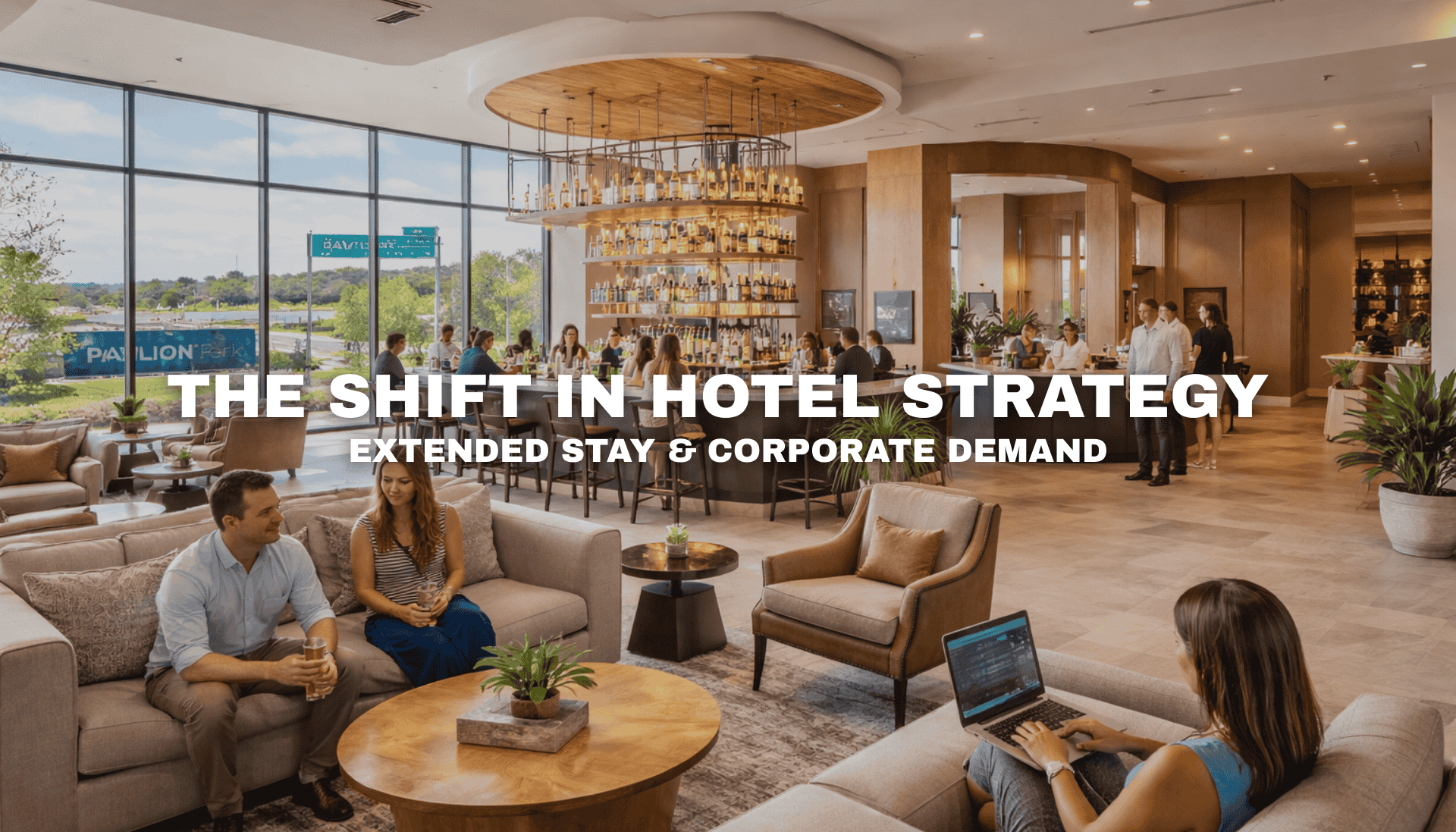
Extended Stay & Corporate Demand
West Des Moines continues to attract corporate investment and regional office growth. As businesses expand westward, so does demand for extended-stay accommodations.
Extended stay hotel West Des Moines demand is driven by:
• Project-based consultants
• Corporate relocations
• Healthcare and construction contracts
• Insurance and financial services travel
Modern extended-stay prototypes prioritize:
• Larger rooms with kitchenettes
• Flexible meeting space
• Fitness and wellness integration
• Work-friendly common areas
Pavilion Park’s scale allows for this type of programmatic depth — something constrained interchange parcels often cannot accommodate.
Hospitality as a District Anchor
Hotels no longer operate as standalone assets. They anchor districts.
At Pavilion Park, hospitality can integrate directly with:
• Retail and dining clusters
• Office and corporate campuses
• Event and conference venues
• Green space and trails
This creates a multiplier effect:
Guests dine nearby.
Conference attendees shop locally.
Corporate visitors extend their stay.
Hospitality becomes part of a lifestyle node — not just an overnight stop.
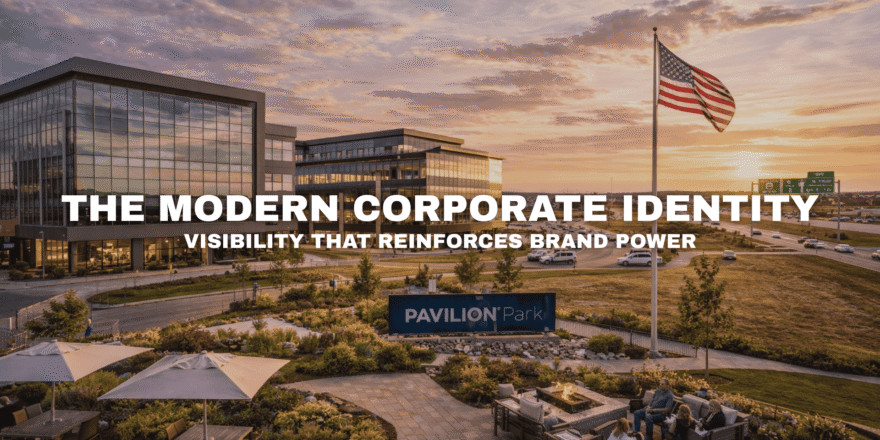
Visibility + Brand Power
Hotel brands evaluate three core elements:
- Traffic count
- Access simplicity
- Long-term corridor growth
Pavilion Park checks each box:
• I-80 adjacency
• Grand Prairie Parkway frontage
• 260+ acres of mixed-use development potential
• Positioning within a high-growth Dallas County corridor
For national flag hotel development Iowa opportunities, the site offers visibility without congestion and space without compromise.
The New Revenue Model
Hotel underwriting today factors in more than occupancy and ADR (Average Daily Rate). Operators look at:
• Event hosting capability
• Conference room rental revenue
• Food and beverage capture
• Public space monetization
• Corporate account penetration
A hotel at Pavilion Park can incorporate:
• Rooftop or patio bar concepts
• Flexible meeting space
• Integrated coworking areas
• Cross-promotion with adjacent tenants
This layered revenue strategy increases resilience and boosts long-term valuation.
Corridor Timing Is Critical
Hospitality development thrives in corridors that are still ascending — not fully matured.
Grand Prairie Parkway continues to reshape traffic patterns between West Des Moines and Waukee. Residential growth north and west strengthens demand. Corporate decentralization increases travel to suburban nodes.
Entering the corridor now allows hospitality investors to:
• Secure premier frontage
• Negotiate flexible parcel configurations
• Establish brand identity early
• Capture growth before pricing peaks
Once density builds and parcels tighten, cost structures change.
Why Pavilion Park Is Different
Many I-80 sites offer visibility.
Few offer scale.
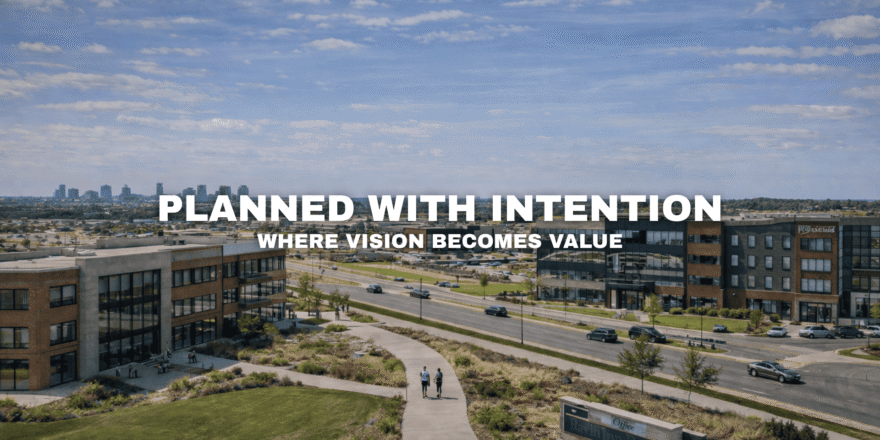
Fewer offer master planning.
Even fewer offer mixed-use synergy.
Pavilion Park is not an interchange afterthought. It is a strategic southern gateway to a growth corridor that extends north into Waukee and beyond.
For interstate hotel investment Iowa strategies, it provides:
• Proven infrastructure
• Interstate access
• Long-term density
• Multi-use adjacency
• Brand-building opportunity
That combination is rare.
The Future of Interstate Hospitality
Highway Hospitality 2.0 is about more than filling rooms.
It is about:
• Creating destination energy
• Supporting corporate ecosystems
• Integrating into mixed-use districts
• Delivering lifestyle-driven design
As West Des Moines commercial growth continues westward, Pavilion Park offers the kind of site that supports next-generation hotel concepts — not legacy prototypes.
The interstate remains powerful.
But the experience around it now defines performance.